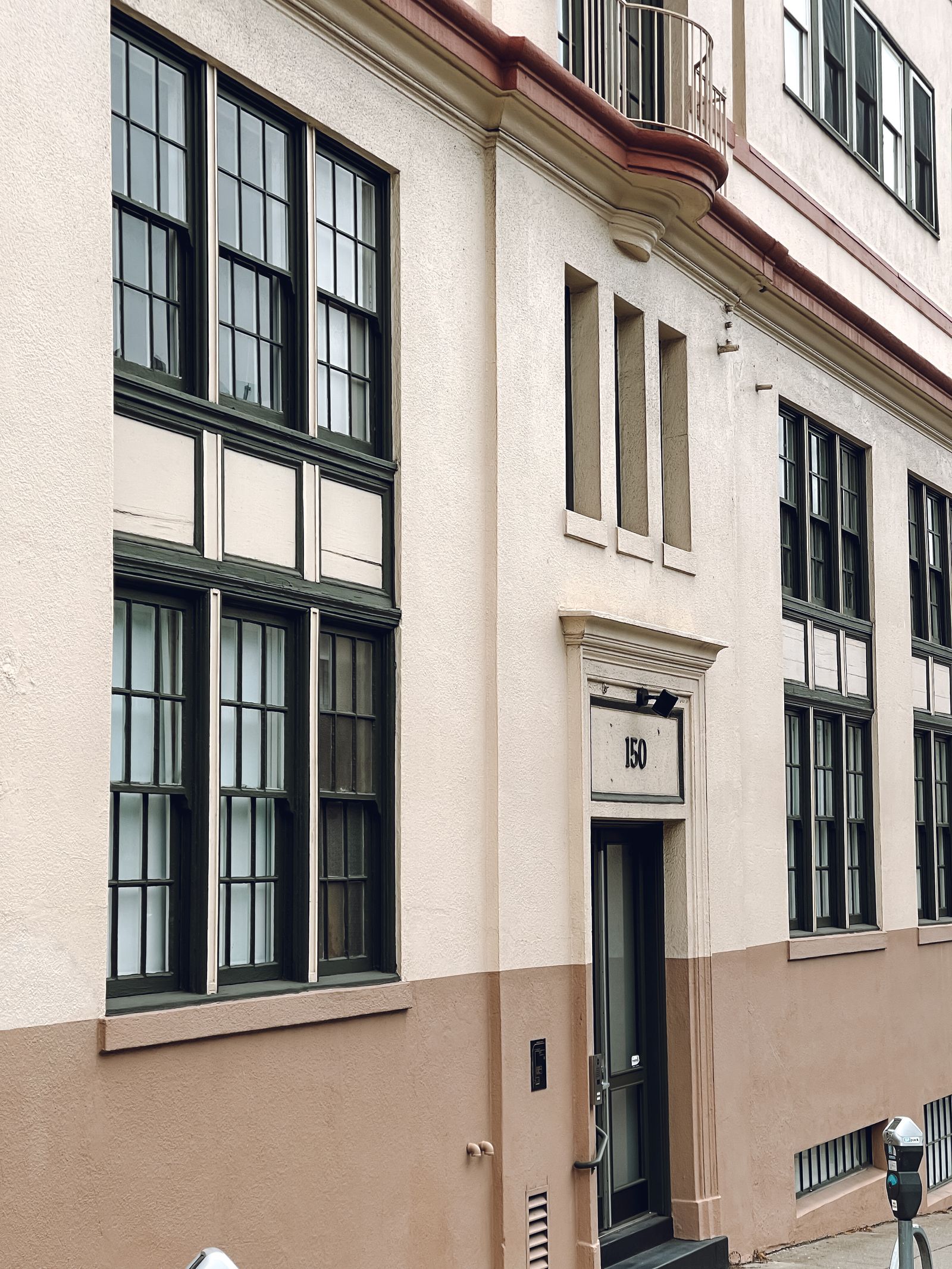
Pressure is a tool, not a finish standard
Pressure washing uses mechanical force to dislodge soil. It can be effective on compatible, durable surfaces when pressure, nozzle, distance, water volume, and operator control are correct. It can also erode soft mortar, lift paint, mark concrete, drive water behind failed sealants, strip coatings, or force water into vulnerable assemblies when used without a material review. A property manager should ask what surface is being cleaned, what pressure range is proposed, how openings and joints will be protected, and what result will be accepted at closeout.
For an Ann Arbor office, hotel, or campus-adjacent building, soft washing can reduce mechanical force on compatible organic growth and light atmospheric film. The selected chemistry still needs containment, testing, rinse planning, and material review. Lower pressure is not automatically better when the facade has construction residue, mineral scale, oxidation, oil, graffiti, or a failing coating. The right method balances chemistry, dwell, pressure, contact tools, water volume, and access for the specified elevation.
Match the method to Ann Arbor materials and stains
Brick and masonry require attention to mortar condition, porosity, historic repairs, efflorescence, soot, pollen, and salt. Concrete and precast may show algae-like film, traffic residue, tire marks, or surface wear. Metal panels can have delicate finishes, oxidation, streaks, and exposed fasteners. EIFS and stucco can retain moisture at cracks, joints, penetrations, and trim. Glass has a different finish expectation from a wall: a rinse can remove loose dust, but bonded mineral deposits, paint, labels, and construction residue may need contact cleaning or restoration. A campus, clinic, office, hotel, or retail property may have all of these materials on one building.
A useful Ann Arbor scope divides the facade by material, elevation, exposure, and expected finish. A shaded north wall may need a different treatment from a salted sidewalk edge, a glass-heavy storefront, or a repaired historic brick elevation. One zone may receive a tested soft wash, another controlled rinsing or hand detail, and another a repair recommendation. A test area is especially useful where coatings are aged or masonry is fragile; the method should follow the condition.
- Brick and masonry: review mortar, porosity, repairs, efflorescence, salt, and pollen film.
- Concrete and precast: identify organic film, traffic soil, tire residue, and surface wear.
- Metal, EIFS, and stucco: protect coatings, joints, penetrations, and vulnerable details.
- Glass: separate loose-film rinsing from bonded mineral removal and contact detail.
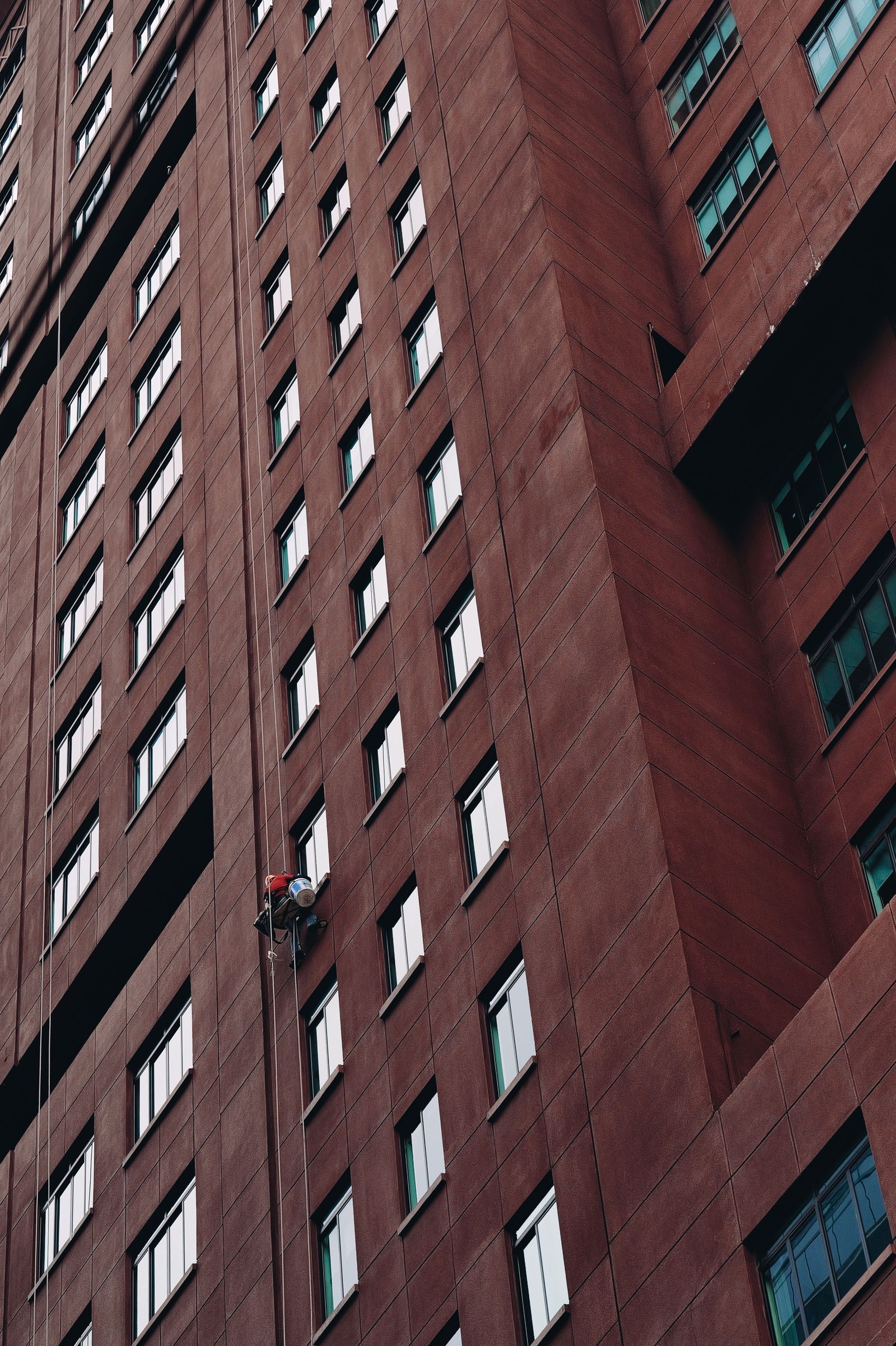
Consider winter salt, freeze-thaw, pollen, and rain
Ann Arbor's winter residue can accumulate at garage entries, curbs, parking ramps, dock areas, and the lower walls beside busy roads. Freeze-thaw cycles can make open joints, cracked concrete, loose masonry, and failing sealants more consequential. Spring pollen may cover ledges, signs, canopies, and glass, while shaded courtyards retain moisture and organic film longer than exposed elevations. Summer storms can change drying time and runoff direction. These conditions do not automatically favor one method, but they do require a seasonal review of material condition and water control.
Salt residue is not the same as algae, and a chemistry intended for organic growth may not remove every bonded mineral or oxidation mark. A controlled rinse, specialty treatment, contact detail, repair referral, or no cleaning until a qualified professional reviews the condition may be the right answer. Check wind, lightning, precipitation, surface temperature, surface moisture, and ground safety before setup. If a walkway could freeze or a storm changes the water path, postponement is part of good planning.
Compare disruption at active campuses and businesses
Method selection is also an operations decision. Pressure washing can create noise, spray, hose crossings, and fast-moving runoff. A soft-wash process can require dwell time, controlled application, careful rinsing, and protection for entrances, landscaping, patios, vehicles, air intakes, and nearby people. A university building may need pedestrian and bike paths protected. A healthcare office may need patient drop-off and emergency routes available. A hotel or restaurant may need customer access and outdoor seating preserved. An industrial site may have forklifts, loading docks, and equipment close to the wall.
Ask the contractor to state how the proposed method changes setup, duration, water movement, noise, access, and the ability to keep the building open. A hybrid plan can be more practical than choosing one method for the entire property. Soft washing may address organic film on an upper wall, a controlled rinse may handle compatible concrete, and hand tools may be needed around glass frames or a sign band. The best recommendation is the one the site team can execute, monitor, and verify.
Treat drone assistance as an access question
A drone may support application or rinsing on selected upper elevations, but it does not decide whether soft washing or pressure washing is appropriate. The surface still determines the method, and the address still determines whether the aircraft can be used. Review wind, wires, trees, balconies, neighboring structures, launch space, line of sight, people below, airspace, and water containment. Downtown blocks, campus events, hospital activity, railroad edges, and airport-area conditions can make a lift, pole, or ground-based method more appropriate.
Commercial operations must follow applicable FAA requirements and any required authorizations. A property manager's approval does not replace those rules. Drone assistance also cannot provide a squeegee finish, scrape bonded residue, inspect concealed damage, or guarantee access to every ledge and recess. The proposal should identify where it may reduce lift placement and the areas that still need a pole, lift, hand detail, repair review, or qualified inspection. That explanation makes the estimate more useful than a promise to clean every facade from the air.
Ask for a comparable Ann Arbor cleaning proposal
When comparing Ann Arbor bids, ask for the exact elevations, materials, visible conditions, proposed method, test area, water source, drainage controls, access equipment, weather limits, exclusions, and closeout records. Ask how the scope treats salt at entrances, pollen on shaded walls, hard-water marks, construction residue, paint, graffiti, failed sealants, and damaged masonry. A low figure is not comparable when it quietly excludes the condition most visible to tenants, students, guests, or customers.
Provide wide and close photographs, approximate heights, known materials, the address, preferred dates, campus or tenant restrictions, delivery schedules, patient or customer traffic, event constraints, water access, drainage observations, and prior repair or cleaning notes. Request before-and-after photographs and a list of completed, deferred, or out-of-scope areas. A quote built around the actual building gives ownership a clear choice: one-time improvement, phased priority cleaning, recurring maintenance, or a repair referral. Contact us with the Ann Arbor address and elevations you want improved, and we will recommend the method that fits the property.